Tora-to (Tiger Stone) JNAT
Tora-to (Tiger Stone) JNAT
Free U.S. shipping on orders over $500
Couldn't load pickup availability
 Military & First Responders get a 10% discount! Click to verify.
dimensions
dimensions
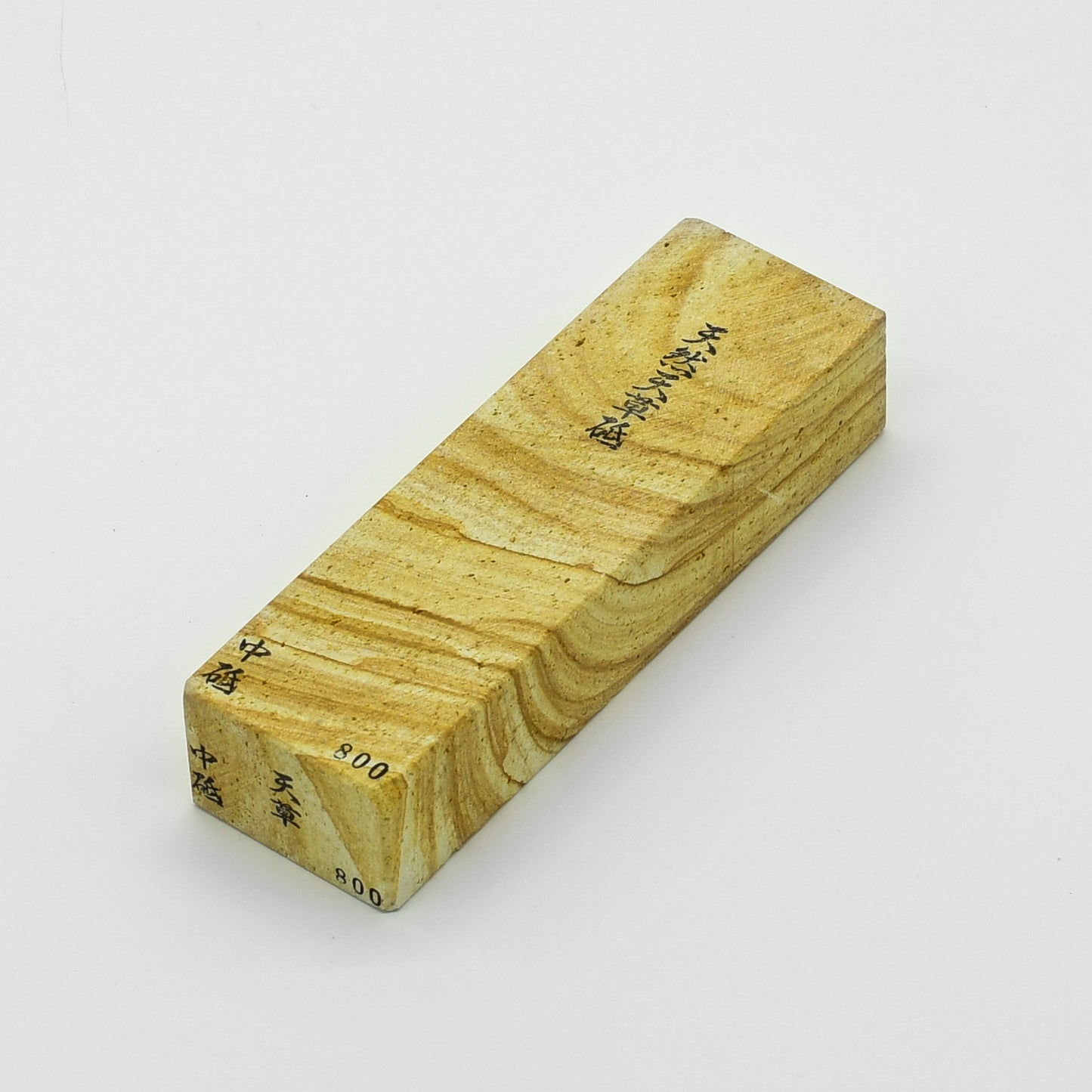
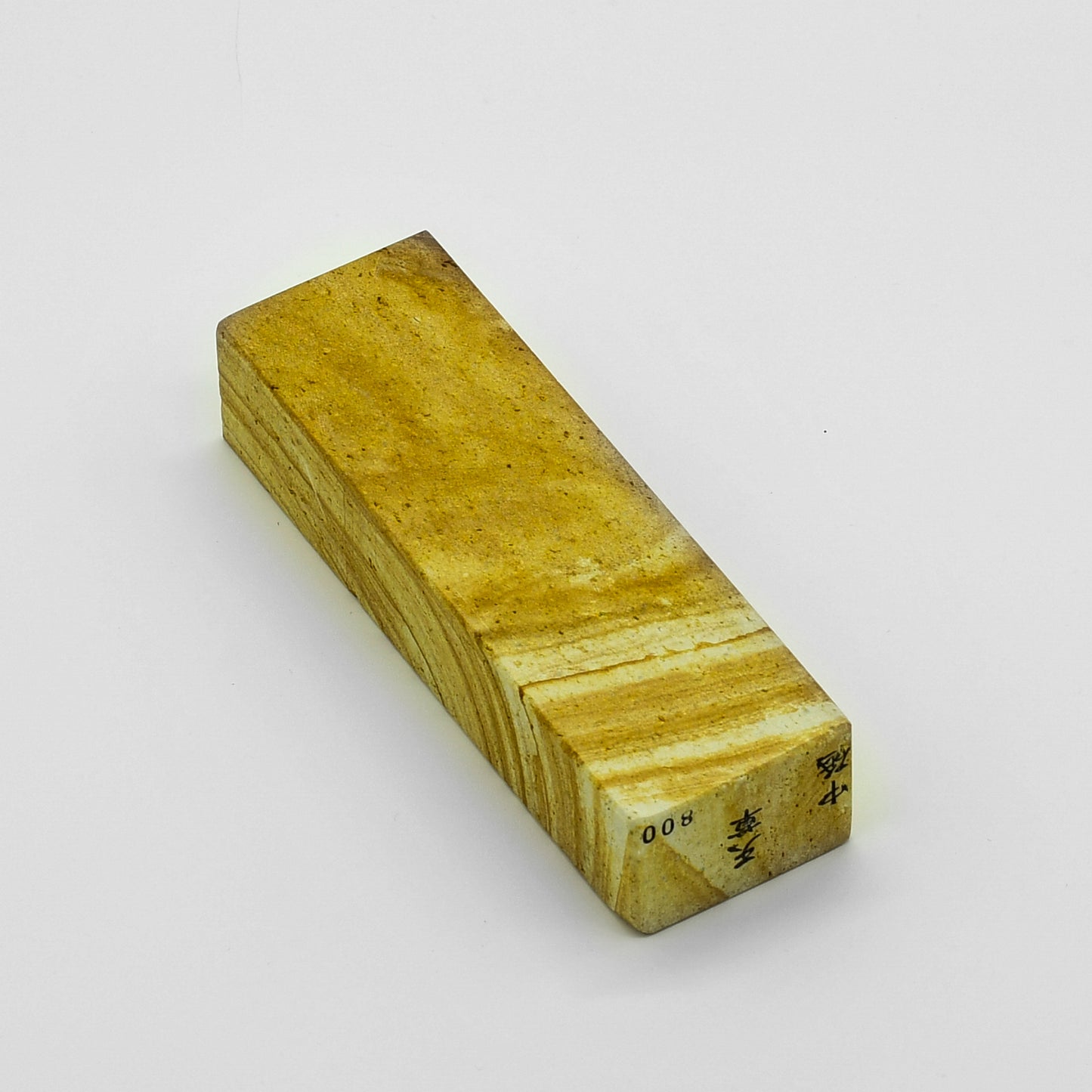
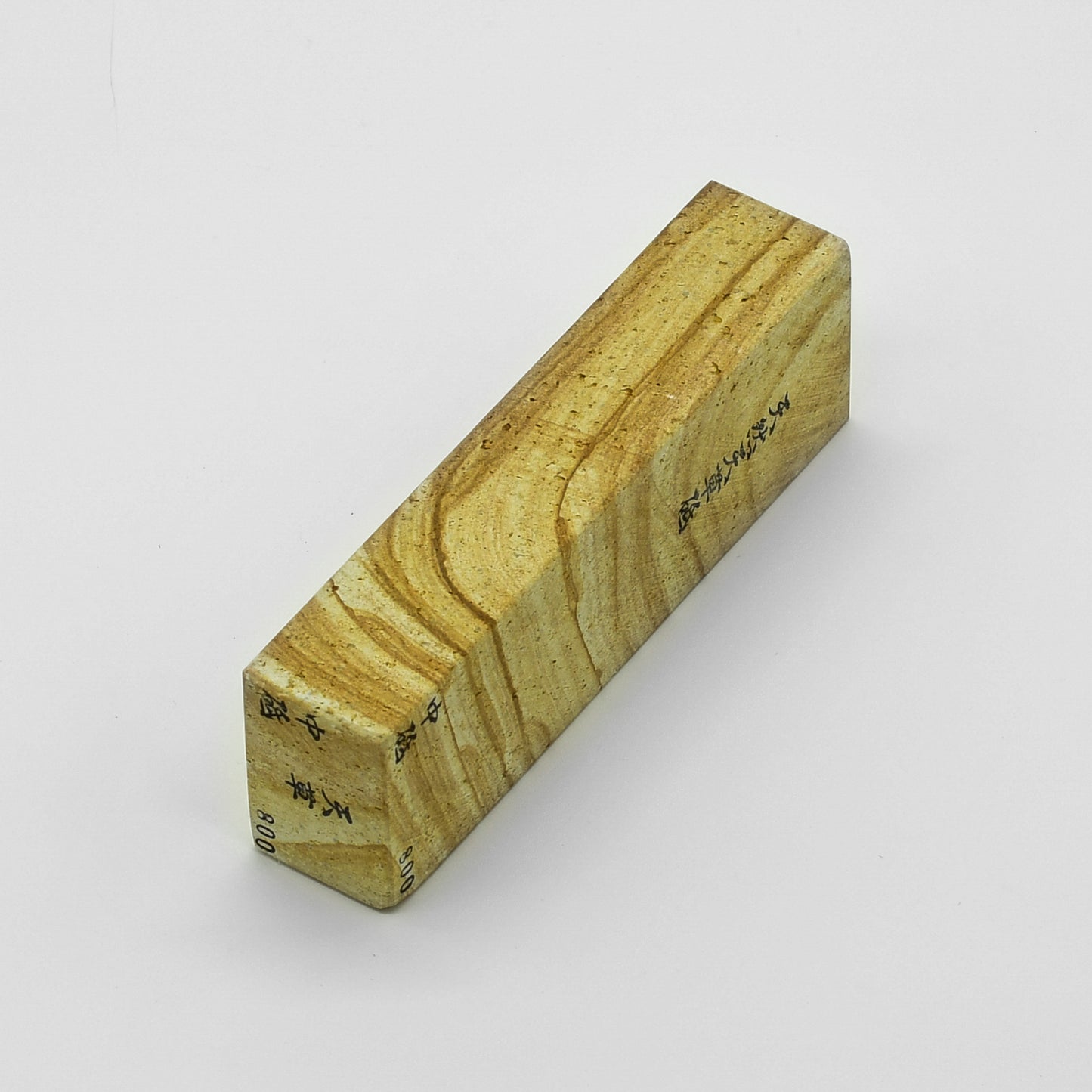
This is a stunning example of a Tora-to (虎砥) JNAT whetstone, prized for its beauty and exceptional sharpening performance.
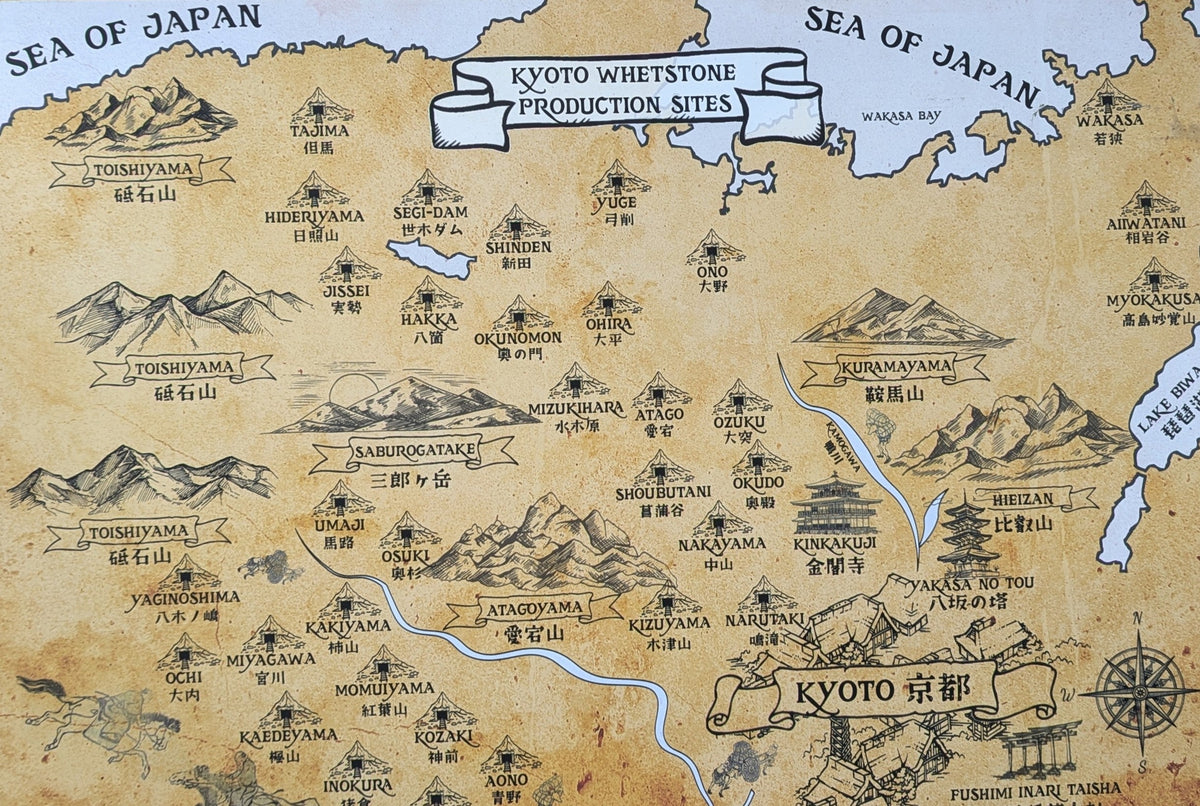
Origin: Likely an Amakusa stone, quarried in the Kumamoto Prefecture of Japan, known for their speed and ability to create a keen edge.
Grit: Medium grit (around 800), versatile for sharpening a variety of tools and knives.
Performance:
* Fast cutting: Removes metal quickly to establish a sharp edge.
* Good feedback: Provides audible and tactile feedback during sharpening.
* Beautiful appearance: Unique tiger-stripe pattern is visually striking.
* Relatively rare: Not as common as some other JNAT varieties, adding to their desirability.
Key features:
* Fast cutting: Quickly removes metal to establish a sharp edge.
* Good feedback: Provides audible and tactile feedback during sharpening.
* Beautiful appearance: The unique tiger-stripe pattern is visually striking.
* Relatively rare: Not as common as some other JNAT varieties, adding to their desirability.
Invest in this exquisite Tora-to JNAT whetstone and experience the joy of sharpening your blades to a razor-sharp perfection.
care instructions
care instructions